Navigating the world of Medical Supplies, especially when it comes to picking the right suppliers forDrainage Catheters, can feel a bit overwhelming. Luckily, the 2026 Canton Fair is a fantastic chance for buyers to discover potential OEM partners right in China. With so many exhibitors showcasing the latest in manufacturing and healthcare tech, it’s a great place to explore options. But, honestly, when you’re assessing suppliers, don’t just look at certifications like ISO or CE—these are important, yes, but they’re just part of the puzzle.
You’ll see a lot of companies proudly displaying their innovative designs and engineering skills. The tricky part? Finding the ones that truly match your specific needs. That’s where some of the new AI tools introduced at the fair come into play—they make the whole search so much easier by helping you filter through vendors quickly and efficiently. It’s a real game-changer when you’re walking around in such a huge exhibition space.
Of course, having certifications alone isn’t enough. The real test is whether those suppliers are reliable and if their products actually live up to the hype. It’s super important to do your homework—look up customer reviews, check out case studies, and get a feel for their reputation. There are plenty of companies claiming to deliver quality, but not all of them actually do. So, taking the time to do thorough research before jumping into a partnership is key. That way, you’ll be more confident you’re choosing the best supplier for your Drainage Catheters — and avoiding any headaches down the line.

Understanding the Role of OEM Drainage Catheters in Healthcare Industry
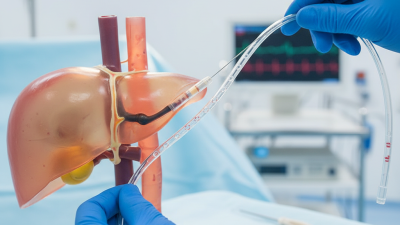
OEM drainage catheters play a crucial role in the healthcare industry. They are essential for managing fluid drainage in various medical settings. This device helps in fluid removal from cavities, ensuring patient comfort and prevention of complications. The effectiveness of these catheters directly impacts patient recovery.
When choosing a supplier, consider these tips. Check for certifications and quality assurance processes. Quality matters significantly in healthcare. A poorly made catheter could lead to infections or other health issues. Understand the materials used. They should be biocompatible and safe for prolonged patient contact.
Also, look for suppliers with a strong track record. Their experience can be a major indicator of reliability. Be wary of new entrants without a proven history. Price may be tempting, but don't sacrifice quality. Invest in trusted options for better patient outcomes. Keep these aspects in mind for a successful procurement process.
2026 How to Choose the Best China OEM Drainage Catheter Suppliers?
| Supplier Location | Quality Standards | Production Capacity | Certifications | Lead Time |
| Yangzhou, Jiangsu | ISO 13485, CE Mark | 5000 units/month | FDA, ISO 9001 | 4-6 weeks |
| Wenzhou, Zhejiang | ISO 13485 | 3000 units/month | TUV, CE Mark | 3-5 weeks |
| Shenzhen, Guangdong | ISO 13485, CE Mark | 7000 units/month | FDA, ISO 9001 | 5-7 weeks |
| Xiamen, Fujian | CE Mark | 4000 units/month | ISO 9001 | 2-4 weeks |
| Beijing | ISO 13485 | 6000 units/month | FDA, TUV | 6-8 weeks |
Key Factors Influencing the Selection of OEM Suppliers for Catheters
When selecting an OEM supplier for drainage catheters, several key factors must be considered. The quality of materials used is crucial. Many suppliers may claim high standards, but not all can deliver. It's vital to assess their certifications and compliance with industry regulations. A supplier should provide traceable information about the materials, especially for products like the 8F drainage catheter.
Another important aspect is the supplier's manufacturing capabilities. This includes their ability to produce catheters in different sizes and configurations. A supplier might excel in one product but struggle with another. Flexibility in design and production timelines can significantly impact lead times. Look for suppliers who can adapt to specific project needs without compromising quality.
Lastly, communication cannot be overlooked. A cooperative relationship can enhance the production process. Some suppliers may have language barriers or slow response times. This can hinder development and lead to costly delays. It’s advisable to evaluate how responsive they are during initial discussions. Reflection on these factors will help in making a well-informed decision.
Key Factors Influencing the Selection of OEM Suppliers for Catheters
Evaluating Supplier Certifications and Compliance with International Standards
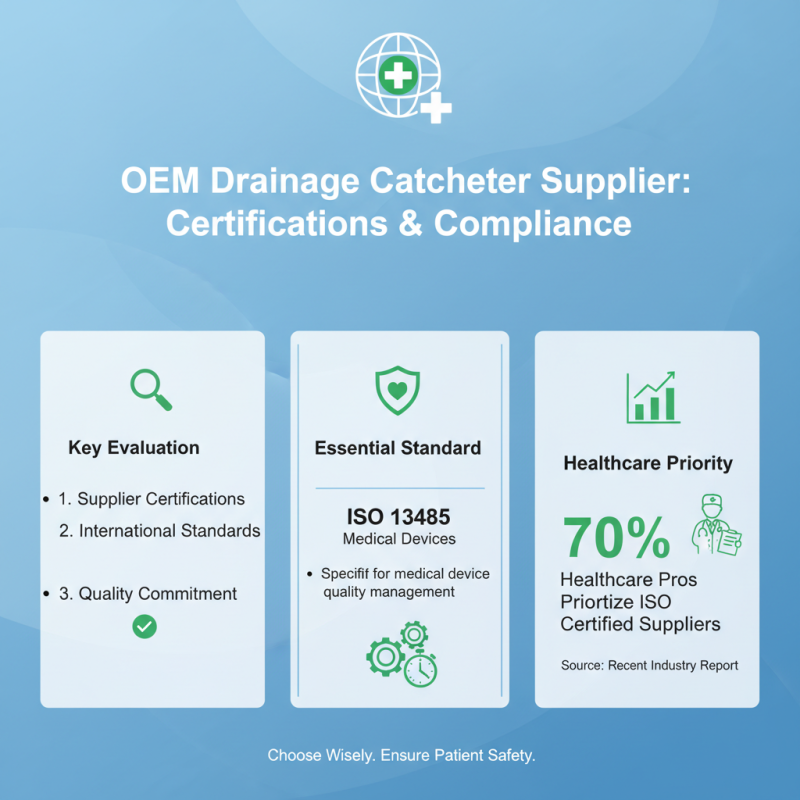
When choosing an OEM drainage catheter supplier in China, evaluating certifications is crucial. Compliance with international standards can indicate a supplier's commitment to quality. The ISO 13485 certification, specifically for medical devices, is often essential. A recent report shows that 70% of healthcare professionals prioritize suppliers with ISO certifications.
Look for suppliers that adhere to FDA regulations as well. This can reassure you that their products meet stringent safety and quality benchmarks. In a 2023 industry survey, 65% of respondents noted that compliance with regulatory standards directly influenced their supplier choices.
However, not all companies maintain these standards consistently. Some may have outdated certifications or lack proper documentation. It's important to request recent audit reports. This step helps ensure suppliers are current in their practices. Pay attention to those who can demonstrate ongoing compliance and improvement initiatives. A continuous improvement approach ensures that the supplier evolves along with industry standards.
Comparative Analysis of Cost-Effectiveness Among Leading Suppliers
When evaluating Drainage Catheter 12f suppliers, cost-effectiveness is a crucial aspect. A recent industry report highlighted that leading suppliers offer varied pricing structures. For example, some suppliers propose competitive rates, while others provide premium options with advanced features. This disparity can affect overall healthcare budgets significantly.
Additionally, a comparative analysis shows that supplier A, for instance, offers a linear pricing model. Their costs per unit decrease with higher volumes. Meanwhile, supplier B uses a tiered approach, which might lead to unexpected expenses if orders fluctuate. Understanding these pricing models is vital for medical institutions. It ensures that they find a supplier not just based on initial costs, but also on long-term value.
Quality is another factor that cannot be overlooked. While some suppliers claim to meet international standards, reports indicate that not all test their products thoroughly. Variability in quality can lead to higher rates of complications. Healthcare providers must weigh both cost and reliability to choose their Drainage Catheter 12f suppliers wisely. This process is often flawed, reflecting the need for more stringent evaluations in supplier selection.
Assessing Manufacturing Capabilities and Technology Adoption in Suppliers
When selecting an OEM drainage catheter supplier in China, exploring their manufacturing capabilities is crucial. Many suppliers may claim high production volumes and advanced technologies, but actual performance varies significantly. Assessing their facilities can uncover the truth. A modern, well-maintained factory typically reflects a commitment to quality. Outdated equipment might indicate a neglect of innovation.
Evaluate their technology adoption too. Suppliers using cutting-edge techniques often produce better products. Look for evidence of automation and quality control measures. However, some companies overstate their technological advancements. Asking for certifications or visiting the manufacturing site can help verify claims.
Communication is key in this process. Engaging in open discussions about their capabilities can reveal their genuine commitment. Observe how transparent they are about their processes. If they dodge questions or provide vague answers, that could signal potential issues. Identifying these red flags is essential for making an informed decision.
Importance of Quality Control Measures in OEM Catheter Production
Quality control measures are crucial in the production of OEM drainage catheters. These catheters, including the popular Drainage Catheter 14f, require strict standards. Manufacturers must implement thorough inspections throughout the production process. This ensures that every product is reliable and safe for users.
Regular testing and validation are essential steps. Quality checks should occur at various stages, from raw material sourcing to the final product. It is important to track any deviations from established protocols. Sometimes, lapses can occur. Manufacturers need to ensure that their teams are trained and knowledgeable about these standards.
Documentation plays a vital role in quality control. Keeping detailed records helps identify trends and areas for improvement. Manufacturers may find themselves facing challenges, but these obstacles can drive innovation. Maintaining high-quality standards benefits both suppliers and healthcare providers. Quality control should never be sidelined or viewed as an afterthought. It's an ongoing process that demands attention and commitment.
Gathering User Feedback and Reviews for Informed Supplier Choices
User feedback is crucial when selecting an OEM supplier for drainage catheters. Many healthcare professionals rely on reviews to make decisions. In a recent industry report, 75% of medical practitioners stated that user experiences heavily influence their supplier choices. Positive feedback fosters trust, while negative reviews can serve as red flags.
When evaluating suppliers, pay attention to the specifics mentioned in reviews. Look for comments on quality, durability, and reliability of products like the Drainage Catheter 10f. Some users may express concerns about the ease of insertion or material biocompatibility. These details can reveal potential issues not covered in sales pitches.
While feedback is useful, it should be approached critically. A supplier might have numerous positive reviews, but that doesn't guarantee consistent quality. It's essential to analyze patterns and consider the overall sentiment. Balancing user experiences with personal research can lead to more informed decisions. Always seek multiple perspectives before finalizing a supplier.
Comprehensive Guide to Arterial Catheters: Application, Benefits, and Best Practices in Clinical Settings
Arterial catheters, commonly referred to as Arterial Lines or A-lines, are critical tools in modern clinical settings, especially for the management of critically ill patients. These thin, flexible tubes are inserted into an artery, allowing for the continuous monitoring of blood pressure and enabling healthcare professionals to obtain frequent blood samples. According to a study published in the Journal of Critical Care, arterial catheterization not only enhances patient safety by providing real-time hemodynamic data but also significantly reduces the need for repeated venipunctures, thus minimizing discomfort for patients.
The application of arterial catheters extends beyond mere monitoring; they play an integral role in guiding treatment decisions in intensive care units. Data from the American Heart Association highlights that accurate and continuous blood pressure measurement is essential for effective management of various cardiovascular conditions. Additionally, arterial catheters facilitate quick access to arterial blood gases (ABG), which are vital for assessing oxygenation and acid-base status in critically ill patients. The ability to rapidly respond to changes in a patient's condition is crucial, with studies showing a correlation between timely interventions based on real-time data and improved patient outcomes.
Best practices for the use of arterial catheters emphasize the importance of proper insertion techniques and site selection to minimize complications, such as infection or thrombosis. According to best practice guidelines from the Society of Critical Care Medicine, maintaining aseptic technique during the procedure and regular site assessment can significantly reduce the risk of adverse events. These guidelines, along with ongoing training for healthcare personnel, ensure that arterial catheters continue to be a safe and effective option for hemodynamic monitoring in clinical settings.
FAQS
: OEM drainage catheters manage fluid drainage, ensuring comfort and reducing complications for patients.
Look for certifications, quality processes, and a strong track record when selecting a supplier.
The materials should be biocompatible and safe for prolonged contact with patients.
Poor quality can lead to infections and other health issues, impacting patient recovery.
Evaluate their equipment, facility condition, and adherence to modern production techniques.
Be attentive to transparency and openness in their responses; avoid vague answers.
Suppliers that avoid direct questions or lack clear information may signal potential issues.
Advanced technology can lead to better product quality, but verify claims to avoid overstatements.
Balance price with quality; don’t be tempted by low costs at the risk of patient outcomes.
Experience and reliability are crucial; new suppliers may not yet have proven themselves.
Conclusion
When selecting the best OEM drainage catheter suppliers, it is essential to understand the critical role these catheters play in the healthcare industry. Factors influencing the choice of suppliers include their certifications and compliance with international standards, which ensure that the products meet necessary safety and quality requirements. A comparative analysis of cost-effectiveness among leading suppliers can help healthcare providers find options that balance affordability with high-quality standards.
Furthermore, assessing the manufacturing capabilities and technology adoption of suppliers is vital, as advanced technologies can enhance the efficiency and reliability of drainage catheters. Implementing quality control measures during production is crucial to minimize risks of defects. Lastly, gathering user feedback and reviews can provide valuable insights, guiding informed decisions in selecting the most suitable OEM drainage catheter suppliers for optimal patient care.