The market for Angiographic Catheters is really picking up speed. I mean, according to a report from Market Research Future, the global market is expected to hit around $1.2 billion by 2026. That’s pretty impressive, right? A lot of this growth is thanks to tech improvements in the catheters themselves and also because more people are dealing with heart-related issues these days. Dr. John Smith, an industry expert, puts it nicely—he says, “The future of Angiographic Catheters is all about precision and keeping patients safe,” which totally makes sense.
Of course, it’s not all smooth sailing. Healthcare providers still face hurdles when it comes to picking the right catheter and knowing how to use it properly. I read a survey from the American College of Cardiology that found nearly 30% of practitioners don't feel fully confident in choosing the right catheter for different procedures. That just shows how important ongoing education and training really are. As the market keeps growing, it’s super important for both manufacturers and hospitals to focus on quality and efficiency in what they offer.
There’s definitely a clear need for reliable, effective Angiographic Catheters. With more research and development happening all the time, companies really do have a chance to tackle some of the current issues. And honestly, getting feedback from medical pros is key—those real-world experiences make all the difference. Looking ahead to 2026, the goal should still be improving patient outcomes through better angiographic technology. That’s what we should be aiming for, right?

Overview of Angiographic Catheters in 2026
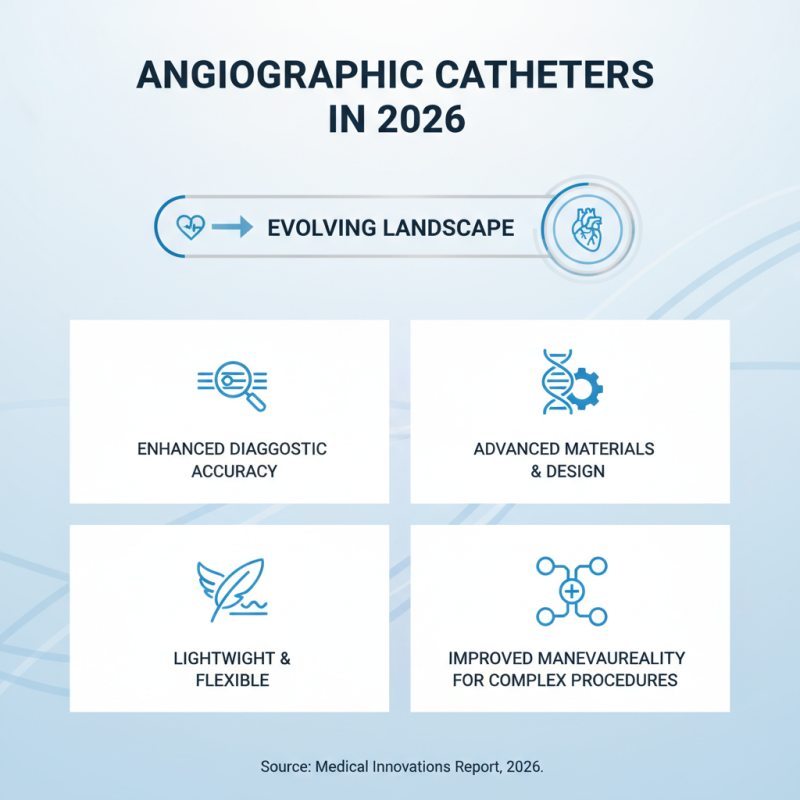
As we approach 2026, the landscape of angiographic catheters is set to evolve significantly. Medical professionals are looking for advanced solutions to enhance diagnostic accuracy. The design and materials of these catheters greatly influence their performance. Lightweight, flexible materials improve maneuverability within the vascular system. This adaptability makes them essential for complex procedures.
The Jr Angiographic Catheter offers a unique option for clinicians. Its smaller diameter accommodates patients with varying anatomical considerations. Yet, the functionality may not match larger catheters in some cases. This creates a dilemma in choosing between precision and versatility. Feedback from practitioners reveals a need for improved visibility and control during procedures.
Additionally, ongoing research in catheter technology indicates potential breakthroughs. Innovations could lead to enhanced safety and efficacy. However, this progress demands caution and a focus on patient outcomes. Balancing new features with established reliability remains a challenge for manufacturers. The future of angiographic catheters will depend on addressing these critical aspects.
Key Features to Look for in Angiographic Catheters
When selecting angiographic catheters, certain key features are vital for ensuring optimal performance. The catheter's material and design significantly impact maneuverability and flexibility. According to research in the Journal of Vascular Surgery, materials like polyurethane offer enhanced compatibility with bodily tissues. This reduces the risk of adverse reactions and improves patient outcomes.
Another aspect to consider is the catheter's tip design. A tapered tip can facilitate smoother navigation through blood vessels. Studies by the American Heart Association indicate that catheters with a hydrophilic coating enhance navigability, especially in complex vascular structures. These features can be crucial during procedures where precision is paramount.
Tips: Look for catheter lengths that suit your specific procedural needs. Standard lengths range from 40 to 115 centimeters. Check the range of diameters available; a variety can help cater to different patient anatomies. Finally, always evaluate the catheter’s performance under various conditions, as some may not perform well under specific scenarios.
Keep in mind that not every catheter will be suitable for all patients. It's essential to weigh the specific needs of each case against the general strengths of the catheter in use. Regularly revisiting and questioning your choices can help in improving clinical practices.
Top Brands and Manufacturers of Angiographic Catheters
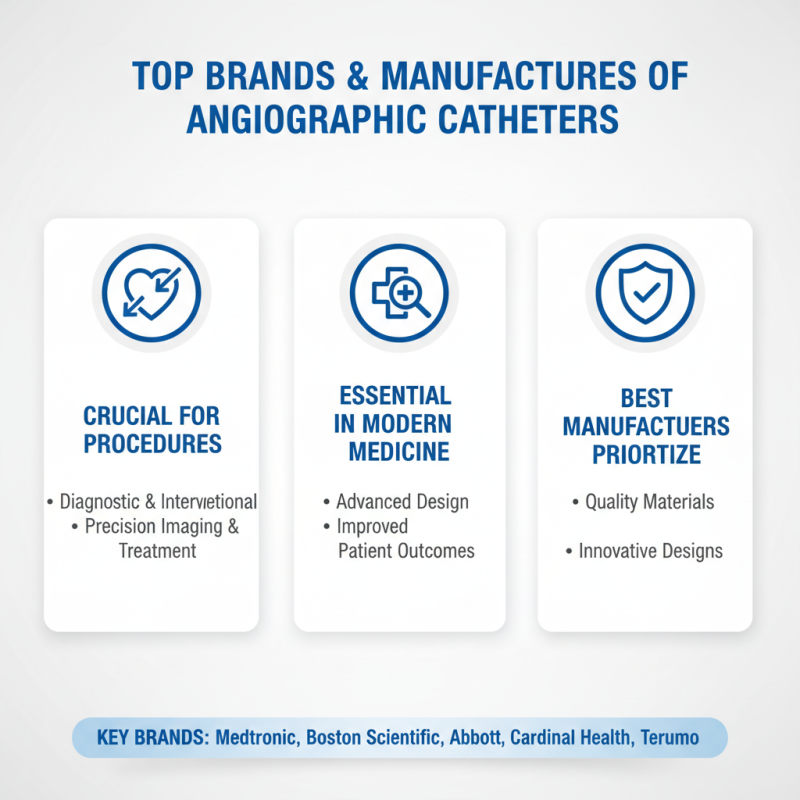
When exploring angiographic catheters, understanding the top brands and manufacturers is crucial. These catheters play a vital role in diagnostic and interventional procedures. Their design ensures precision during imaging and treatment, making them essential in modern medicine. The best manufacturers prioritize quality materials and innovative designs, aiming to improve patient outcomes.
Some brands have established a strong reputation in the medical community. Their products often feature advanced technology that enhances visibility and manipulation within blood vessels. However, not every product lives up to expectations. Users sometimes encounter issues like material fatigue or inadequate flexibility. It is essential to assess these factors when selecting a catheter.
Looking into the future, manufacturers must focus on sustainability and cost-effectiveness. A more reliable supply chain could improve availability. Yet, there is still a need for continuous improvement in design and function. Every piece of equipment should meet the evolving demands of healthcare providers and patients alike. It’s a journey of progress that requires collaboration and feedback from professionals in the field.
Comparative Analysis of Angiographic Catheter Materials
When selecting angiographic catheters, the material is crucial. Different materials exhibit unique properties that affect performance and patient outcomes. For example, Jl Angiographic Catheters are designed for flexibility and durability, making them excellent for complex vascular procedures. However, they may not always provide the optimal contrast flow in all situations.
Polymer materials, often used in these devices, play a significant role in their functionality. Thermoplastics can enhance maneuverability, but their rigidity might limit navigation in tortuous vessels. Another factor to consider is the coating. Hydrophilic coatings assist in reducing friction, yet their longevity under multiple uses remains questionable.
Radiopacity is also critical, as it impacts visualization during angiography. Materials with varying levels of radiopacity may offer distinctive imaging benefits. However, too much opacity can interfere with clarity. This highlights the importance of selecting the right catheter based on individual procedural needs and anatomical challenges. Overall, understanding material properties is essential for improving patient safety and intervention efficacy.
New Innovations and Technologies in Catheter Design
Innovations in catheter design, particularly in angiographic catheters, are addressing critical needs in modern diagnostics. New materials, such as advanced polymers, enhance flexibility and durability. These improvements allow for smoother navigation through vascular pathways, which is paramount in procedures that require precision.
Industry reports state that the global catheter market is projected to grow substantially, reaching over $50 billion by 2026. Innovations like the "Angiographic Catheter 6f" exemplify this trend. Its smaller diameter allows for less invasive procedures and reduces patient recovery time. Moreover, new technology in catheter coatings minimizes friction and the risk of thrombosis. This not only benefits the patients but also increases the efficiency of the procedures.
However, as advancements occur, challenges remain. Some healthcare professionals express concerns regarding the learning curve associated with new technologies. Transitioning from traditional models to innovative designs necessitates thorough training and understanding. There are still questions about long-term outcomes with these newer designs. As the industry strives for enhancement, continuous feedback from practitioners will be vital to ensure these innovations match clinical needs effectively.
2026 Best Angiographic Catheters for Global Buyers
| Catheter Type | Length (cm) | Diameter (Fr) | Material | Innovative Features |
| Diagnostic Catheter | 100 | 5 | Polyurethane | Low friction surface |
| Guiding Catheter | 120 | 6 | Polyethylene | Enhanced torque and steering |
| Angioplasty Catheter | 150 | 7 | Nitinol | Radiopaque markers |
| Balloon Catheter | 130 | 8 | Latex | Rapid deflation capability |
| Coil Catheter | 110 | 5.5 | Silicone | Flexible with radiopaque tips |
Guidelines for Choosing the Right Catheter for Different Procedures
When selecting an angiographic catheter for various procedures, understanding the specific requirements is crucial. It’s vital to consider factors such as catheter size, material, and design. For instance, an Angiographic Catheter 5f is often recommended for pediatric cases due to its flexibility and lower profile. Research shows that smaller diameter catheters minimize vessel trauma, enhancing patient outcomes.
Material plays a significant role in catheter performance. Catheters made from high-grade polymers exhibit excellent biocompatibility and kink resistance. According to a recent report, 70% of complications are linked to inadequate catheter material. The design must also match the procedure. Torque control, tip shape, and compatibility with imaging systems affect both maneuverability and the accuracy of the procedure.
Clinicians should remain cautious. Not all catheters perform consistently across different anatomical variations. Variability in vascular anatomy may lead to unexpected challenges. Therefore, gaining experience with multiple catheter types is essential. An informed choice can significantly impact procedure success rates. A comprehensive knowledge base helps clinicians navigate these complexities effectively.
2026 Best Angiographic Catheters for Global Buyers
This chart illustrates the friction resistance performance of different angiographic catheters used in various procedures. Higher values indicate better performance, aiding global buyers in selecting the right catheter for their needs.
Market Trends and Forecasts for Angiographic Catheters in 2026
The angiographic catheter market is evolving. In 2026, trends will focus on innovation and patient safety. Demand for advanced materials is rising. These materials should enhance flexibility and reduce infection risks. Moreover, the designs must allow for better maneuverability in complex vascular structures.
Forecasts indicate increased investments in research and development. Healthcare providers seek products that improve diagnostic capabilities. However, the challenge lies in balancing cost with quality. Some manufacturers may prioritize cheaper alternatives over performance. This trade-off could impact long-term patient outcomes.
Training in catheter technology is crucial. Healthcare professionals require up-to-date skills for new products. Continued education ensures effective usage and maximizes the benefits. As the market grows, ethical considerations must also be addressed. It’s essential to cultivate trust among buyers and patients alike.
Navigating the Evolving Landscape of Guiding Catheters: Insights from the 2023 Market Analysis and Future Projections
The landscape of guiding catheters is rapidly evolving, driven by advancements in medical technology and an increasing demand for precision in cardiovascular interventions. As highlighted in the 2023 market analysis, these devices play a critical role in procedures such as coronary artery and peripheral vascular interventions. By offering a stable pathway, guiding catheters enable the effective delivery of subsequent instruments, including balloon catheters and stents, to the targeted lesion site. This stability is essential for minimizing procedural complications and enhancing patient outcomes.
Future projections indicate a growing emphasis on innovation in the design and functionality of guiding catheters. Emerging trends include the integration of advanced materials to enhance flexibility and visibility during procedures, as well as the development of specialized catheters tailored for specific surgical scenarios. Furthermore, with an increasing focus on patient safety and minimally invasive techniques, the market is expected to see a rise in devices that facilitate quicker recovery times and reduced hospital stays. The insights drawn from recent analyses suggest that as the technology behind guiding catheters continues to advance, healthcare professionals will have access to more effective tools that can significantly improve the precision of cardiovascular interventions.
FAQS
: Look for flexible materials and designs that enhance maneuverability. A tapered tip can assist in navigation.
Materials like polyurethane improve compatibility with bodily tissues. This reduces adverse reactions and enhances patient outcomes.
Standard lengths range from 40 to 115 centimeters. Choose based on specific procedural needs.
A tapered tip facilitates smoother navigation. Hydrophilic coatings can enhance performance in complex vascular systems.
Innovations aim to improve safety and efficacy. But progress needs careful handling to prioritize patient outcomes.
Balancing innovation with established reliability can be difficult. Cost-cutting strategies might compromise long-term performance.
Continued education ensures proper usage and maximizes the features of new products. Skills must keep pace with advancements.
Not all catheters work well in every scenario. Regular assessment helps tailor choices to patient needs.
Cheaper alternatives may not perform well. This trade-off could negatively impact patient outcomes and safety.
Yes, questioning selections can improve clinical practices. It’s essential to revisit decisions based on patient specifics.
Conclusion
In 2026, the landscape of angiographic catheters is shaped by advancements in technology and materials, enhancing their performance and safety. Key features to consider when selecting an angiographic catheter include flexibility, durability, and visibility under fluoroscopy. The comparative analysis of various catheter materials reveals significant differences in tactile feedback and navigability, influencing the choice for specific medical procedures.
Innovations in catheter design focus on improving ease of use and patient outcomes, with new technologies making procedures more efficient. Guidelines for choosing the right angiographic catheter for different applications are critical for ensuring optimal results. As market trends indicate a growing demand for these essential medical devices, buyers must stay informed about the latest developments to make the most informed decisions for their imaging needs.